Wastewater Sludge Treatment Solutions for the Environmental Protection Industry
As environmental regulations become stricter worldwide, wastewater and sludge treatment has become an essential part of modern industrial and municipal operations. Large amounts of sludge are generated every day from sewage treatment plants, food processing factories, chemical industries, paper mills, textile plants, and other industrial facilities. Proper sludge treatment is critical not only for environmental protection but also for reducing disposal costs and improving resource utilization.
Wastewater sludge is a by-product produced during the purification of wastewater. It contains organic matter, suspended solids, bacteria, chemicals, and sometimes heavy metals. Because sludge usually contains a high percentage of water, it occupies large storage space and creates transportation challenges. If untreated sludge is discharged directly into the environment, it may cause serious secondary pollution and threaten soil and water quality.
For this reason, efficient sludge treatment technology has become increasingly important in the environmental protection industry. Modern sludge treatment systems are designed to reduce moisture content, decrease sludge volume, improve transportation efficiency, and support environmentally friendly disposal or recycling.
Main Stages of Wastewater Sludge Treatment
Sludge Thickening
The first stage of sludge treatment is thickening. This process removes part of the free water from sludge and reduces its overall volume. Gravity thickening tanks and mechanical thickening equipment are commonly used in industrial wastewater treatment systems. Thickened sludge becomes easier to handle in later processing stages.
Sludge Dewatering
Dewatering is one of the most important steps in sludge processing. The purpose is to further reduce water content and convert sludge into a semi-solid cake form. Common sludge dewatering equipment includes:
Belt filter presses
Screw press dewatering machines
Centrifugal dewatering systems
Sludge extrusion machines
These machines help reduce sludge moisture significantly, lowering transportation and disposal costs while improving operational efficiency.
Sludge Drying
For industries that require extremely low moisture levels, sludge drying equipment is used after dewatering. Thermal drying systems can reduce moisture content to below 10%, making sludge suitable for incineration, fuel production, or building material applications. Dry sludge is easier to store and transport and produces less environmental impact.
Sludge Conveying and Automation
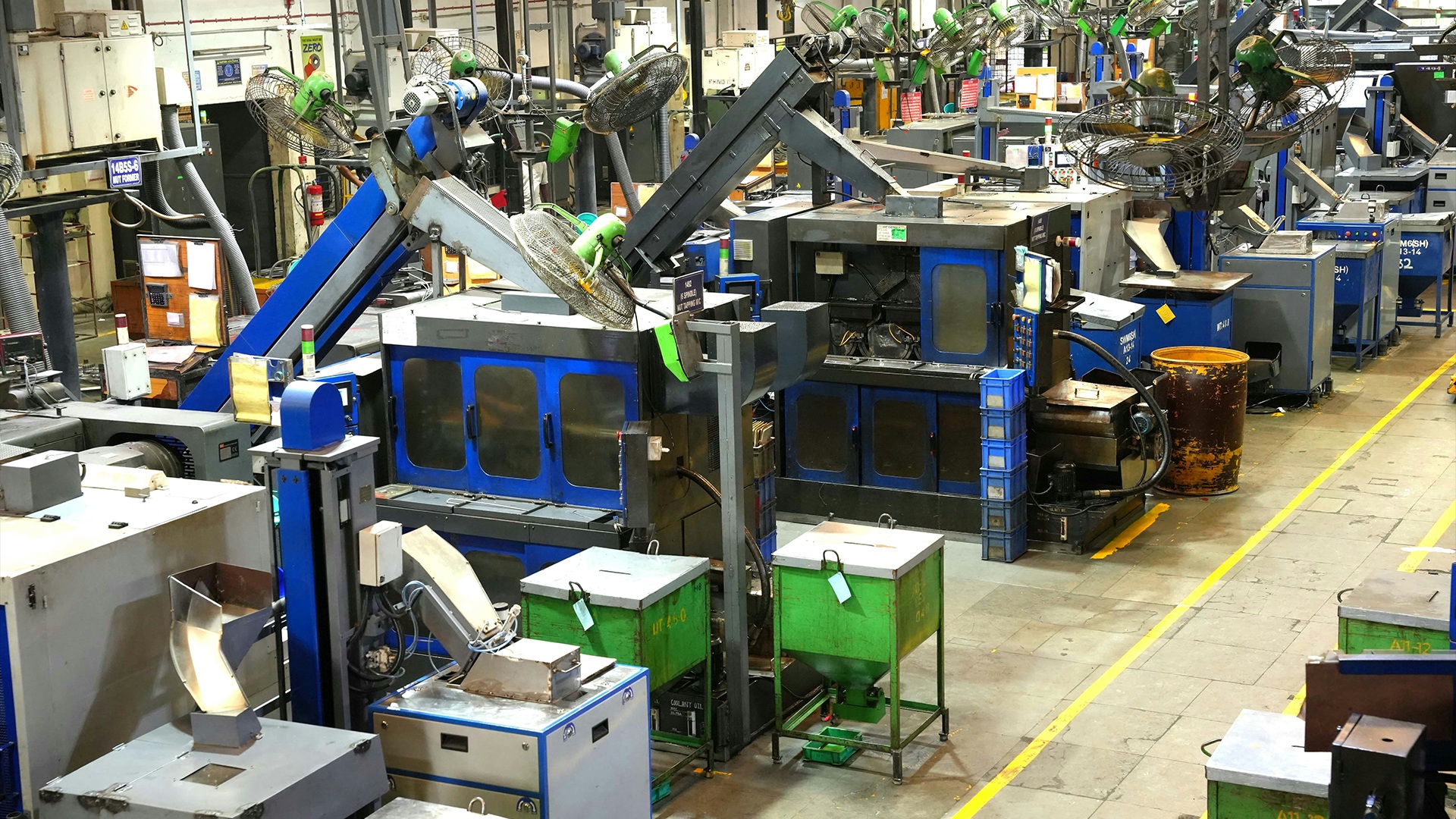
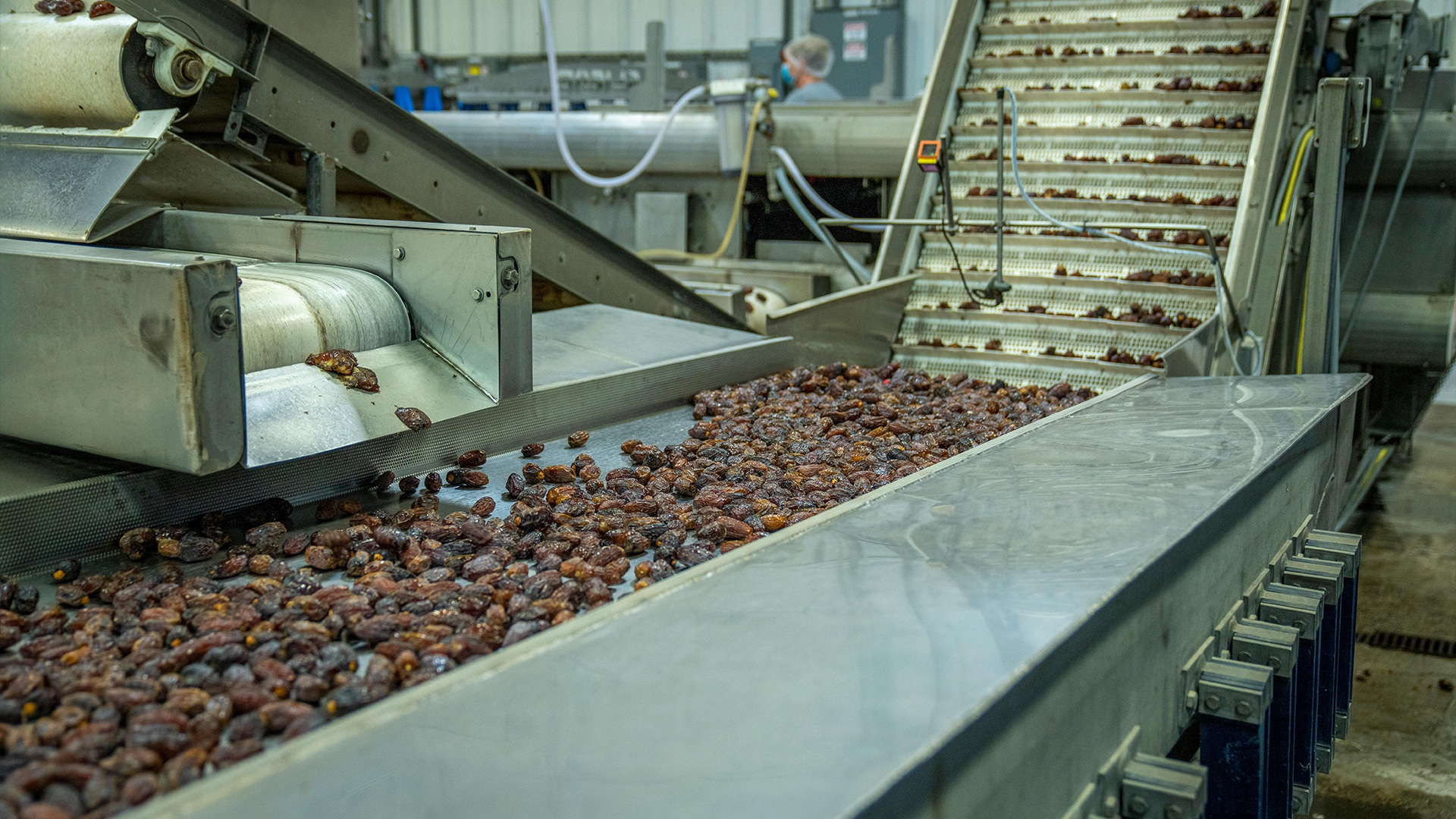
Modern wastewater treatment plants increasingly use automated sludge conveying systems to improve productivity. Equipment such as sludge conveyor belts, tank chain conveyors, and sludge cutting machines can help achieve continuous operation while reducing labor requirements. Automation also improves system stability and reduces maintenance costs.
Advantages of Modern Sludge Treatment Equipment
Advanced sludge treatment machinery provides several important benefits:
High dewatering efficiency
Lower operating costs
Reduced environmental pollution
Stable continuous operation
Energy-saving performance
Improved workplace safety
Reduced manpower requirements
With growing environmental awareness, many companies are investing in intelligent sludge treatment systems to improve sustainability and meet international environmental standards.
Applications in Different Industries
Sludge treatment equipment is widely used in:
Municipal sewage treatment plants
Food processing industries
Chemical factories
Textile manufacturing plants
Paper mills
Mining industries
Pharmaceutical factories
Each industry produces sludge with different characteristics, so customized sludge treatment solutions are often necessary.
Future Development Trends
The future of wastewater sludge treatment is moving toward energy-efficient, automated, and environmentally friendly technologies. Smart control systems, resource recovery technology, and low-carbon treatment methods are becoming major development directions in the environmental industry. More companies are also exploring ways to convert sludge into renewable energy or reusable materials, helping promote a circular economy.
Conclusion
Wastewater sludge treatment is a key part of environmental protection and sustainable industrial development. Efficient sludge dewatering, drying, and conveying systems can greatly reduce pollution risks and operational costs while improving treatment efficiency. As global environmental standards continue to rise, reliable sludge treatment equipment will play an increasingly important role in helping industries achieve greener and more sustainable operations.
SEO Keywords
wastewater sludge treatment, sludge dewatering machine, sludge treatment equipment, sewage sludge processing, industrial sludge treatment, sludge drying system, sludge conveyor system, environmental protection equipment, sludge extrusion machine, wastewater treatment machinery, sludge recycling solution, sewage treatment equipment, industrial wastewater treatment, sludge handling system
none
Reliable Automation Solutions for Modern Industry
Dezhou Hairen Automation Equipment Co., Ltd.