Automatic Bowl Feeding System for Food Packaging Lines
In high-speed food packaging environments, product feeding efficiency directly determines overall production capacity. Manual placement of bowls or containers not only limits throughput but also increases labor costs and contamination risk.
An automatic bowl feeding system, often referred to as an automatic bowl placing machine, is designed to deliver containers to the filling station with precision and consistency.
The Role of Automated Feeding in Modern Packaging
In traditional packaging lines, operators manually place bowls onto conveyors before filling. This process creates variability in spacing and alignment, which can negatively impact filling accuracy and sealing quality.
An automatic feeding system ensures consistent positioning and controlled intervals between containers. This improves synchronization with filling, sealing, and inspection units, resulting in stable line performance.
Structural and Technical Features
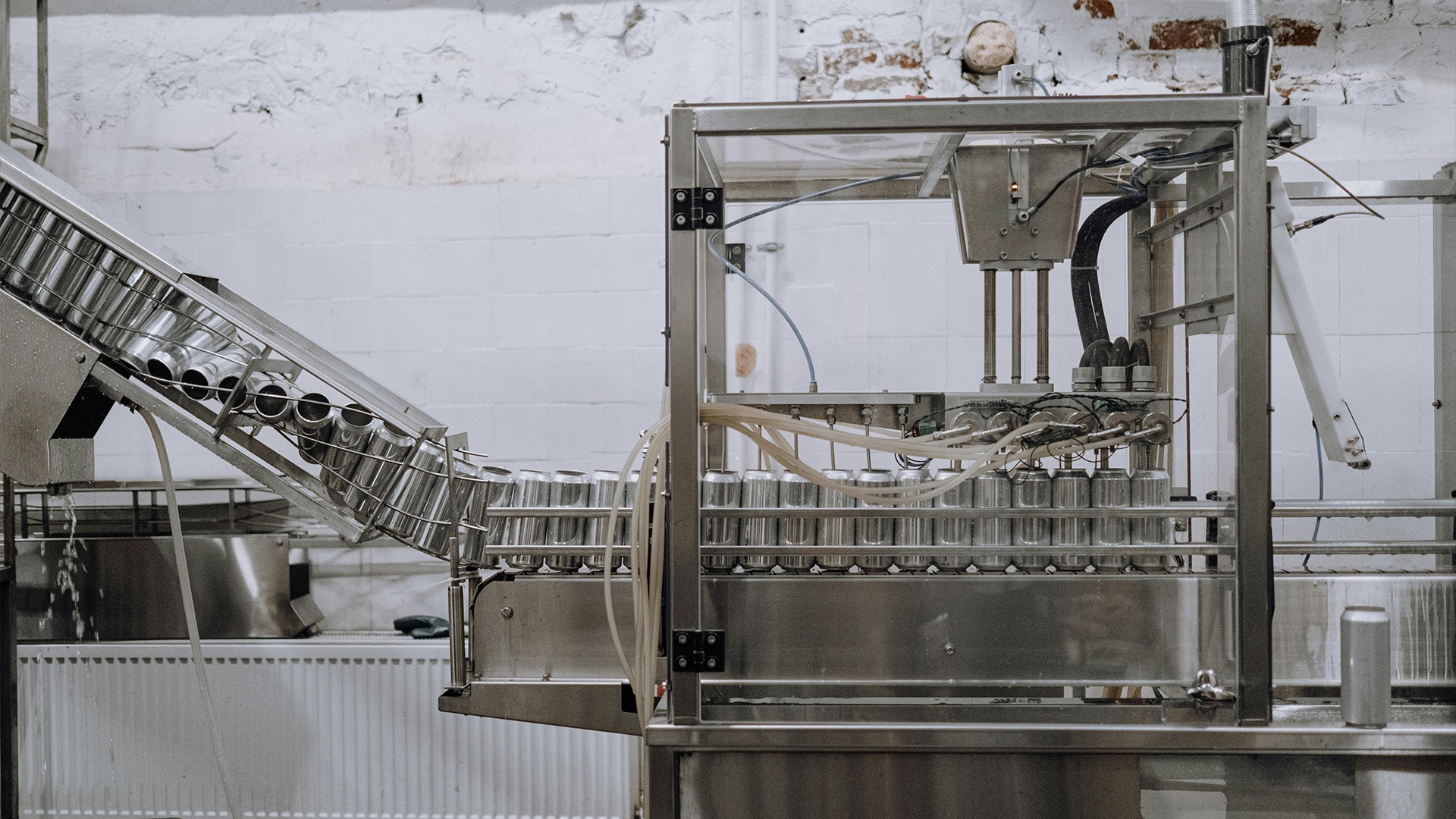
A modern automatic bowl feeding system typically integrates a storage hopper, lifting mechanism, separation module, and alignment conveyor. The separation mechanism ensures single-container release, preventing stacking or misalignment.
Servo-driven control systems allow adjustable speed settings to match different packaging capacities. This flexibility is particularly important for factories producing multiple product sizes on the same line.
Durable stainless steel construction and food-grade components ensure compliance with hygiene standards and simplify cleaning procedures.
Operational and Economic Benefits
Automating bowl placement significantly reduces labor dependency while maintaining stable output. Consistent feeding minimizes production interruptions and reduces mechanical stress on downstream equipment.
For export-oriented food factories, automation enhances both efficiency and quality control documentation. The system contributes not only to productivity but also to professional factory image and long-term competitiveness.
Bowl Feeding Machine、Food Packaging Equipment、Automation System、Food Production Line
Reliable Automation Solutions for Modern Industry
Dezhou Hairen Automation Equipment Co., Ltd.