Designing an Automated Food Production Line
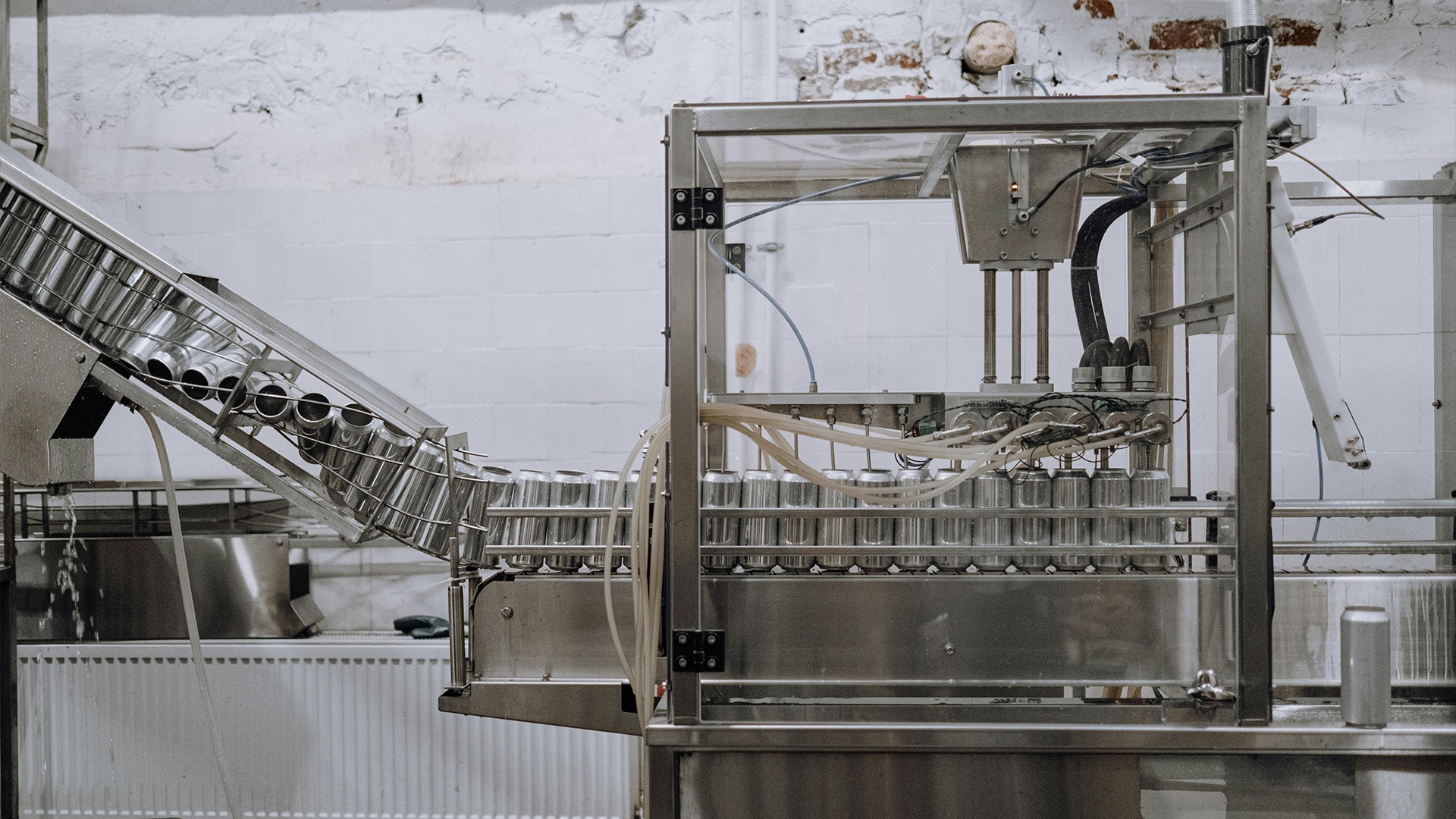
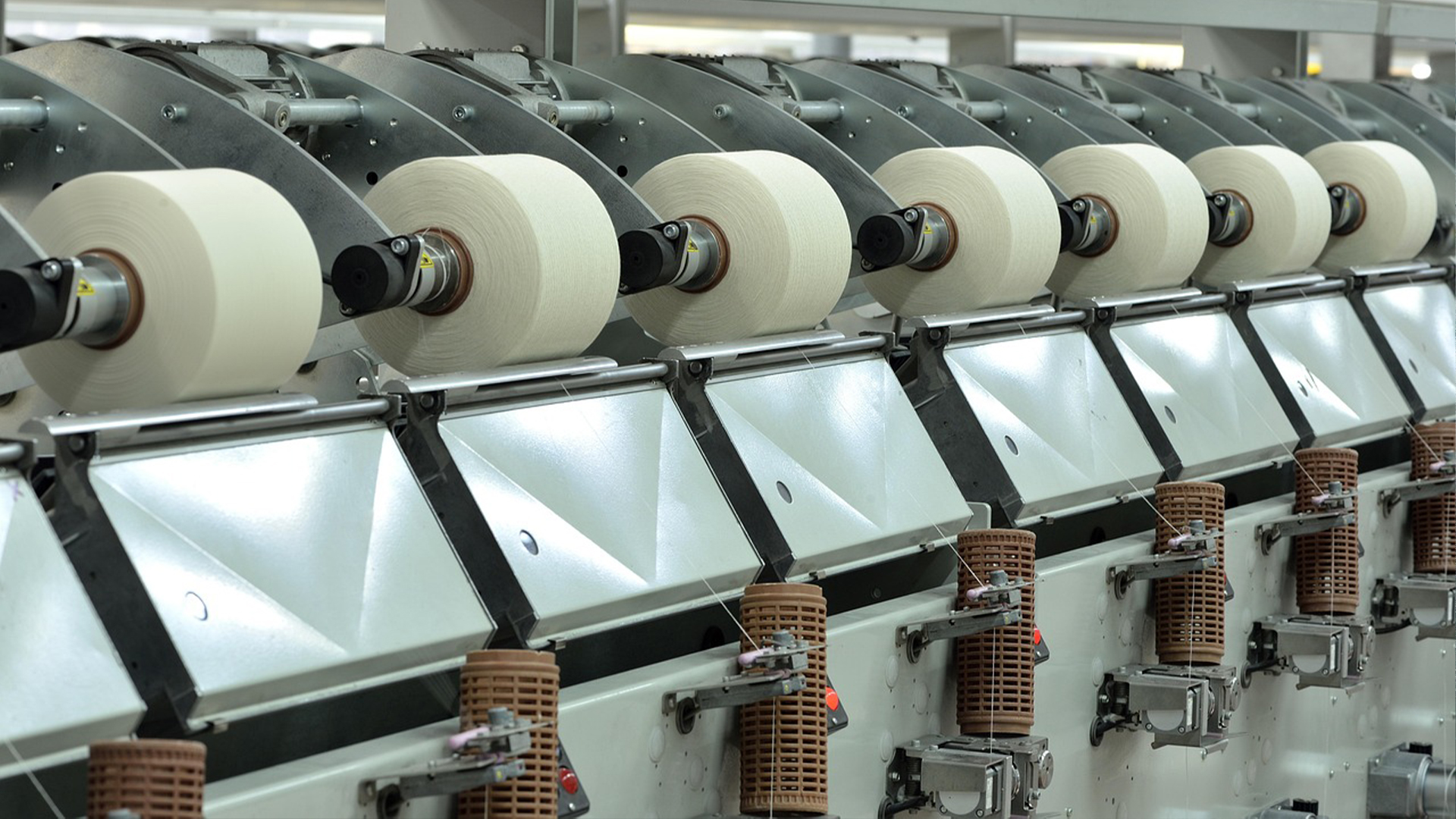
Automation is reshaping the food manufacturing industry. Rising labor costs, stricter export standards, and increasing consumer expectations are driving factories toward integrated production systems. A fully automated food production line is no longer a luxury; it is becoming a competitive necessity.
Designing such a system requires careful coordination between processing equipment, conveying modules, and quality inspection units.
Structural Planning and Workflow Optimization
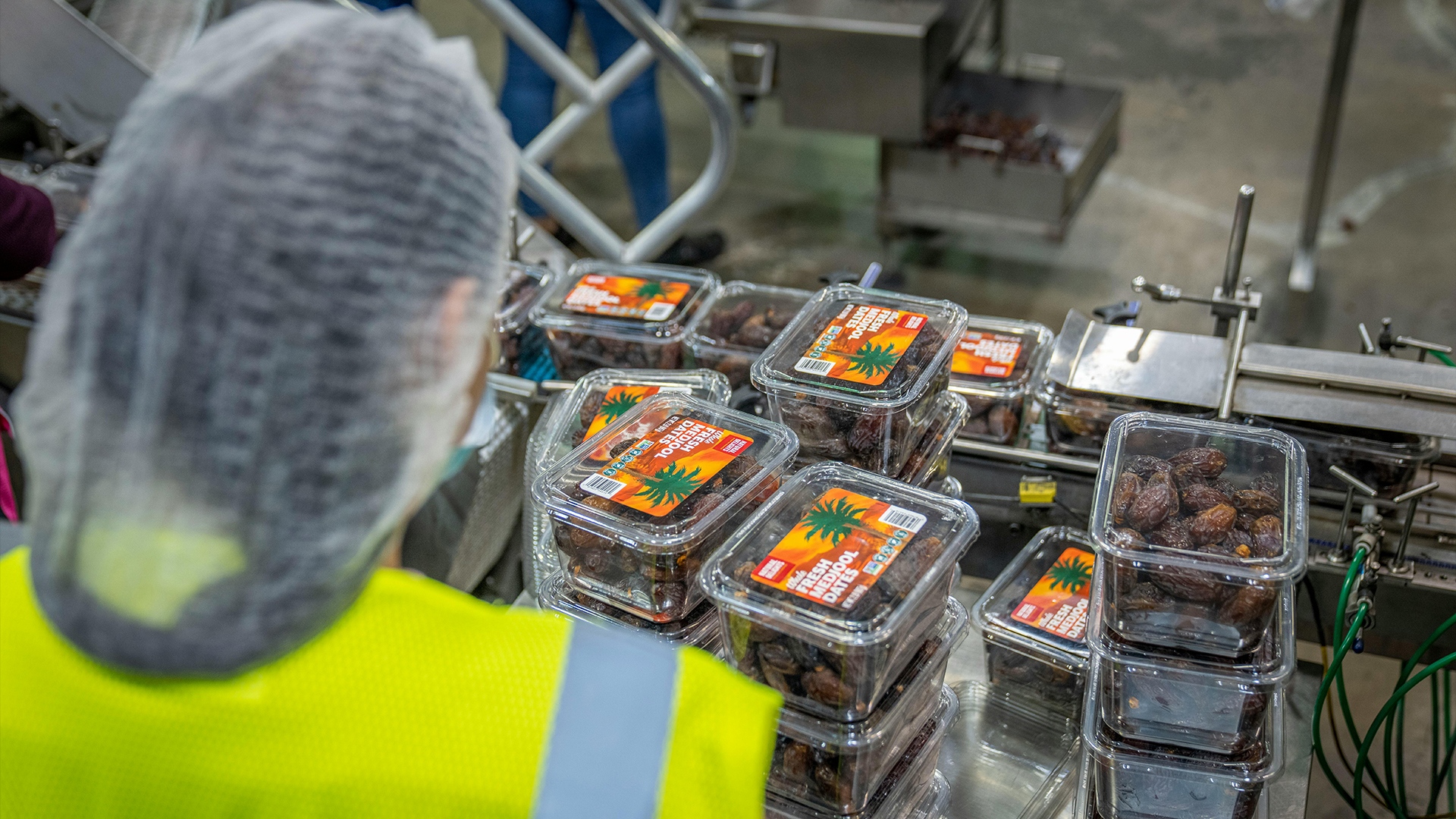
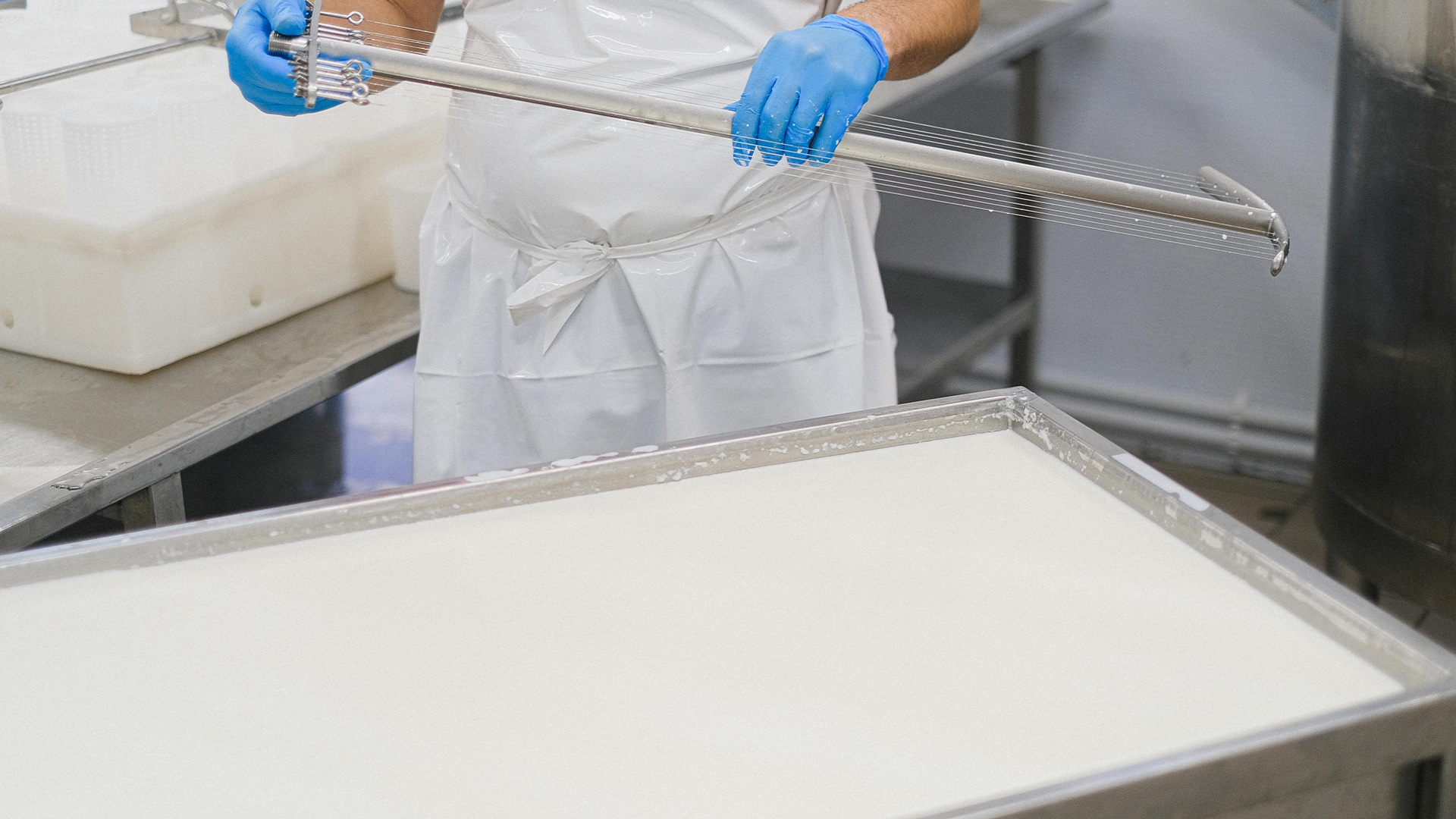
Effective production line design begins with workflow analysis. Raw material preparation, cutting, conveying, weighing, inspection, and packaging must be synchronized to prevent bottlenecks. Equipment capacity must be balanced to ensure consistent throughput without overloading specific sections.
A well-designed layout reduces unnecessary product transfer distance and minimizes manual intervention. Clear zoning between raw material areas and finished product zones also strengthens hygiene control and compliance with international food safety standards.
Integration of Inspection Modules
Dynamic checkweighers, food X-ray inspection machines, and automatic sorting systems are essential quality control layers within automated factories. These systems operate inline, collecting real-time production data and removing non-compliant products instantly.
Centralized control systems allow operators to monitor performance indicators such as weight deviation, rejection rate, and line speed. This data-driven management improves traceability and supports audit requirements in export markets.
Scalability and Long-Term Competitiveness
Automation reduces production variability and increases scalability. As order volumes grow, automated systems can operate continuously with stable output quality.
In addition, intelligent control software can be upgraded over time, allowing manufacturers to integrate new inspection technologies or packaging modules without redesigning the entire line. Investing in automation is not merely upgrading equipment; it is building a future-ready manufacturing infrastructure capable of meeting evolving global standards.
Food Machinery、Smart Factory、Production Line Design
Reliable Automation Solutions for Modern Industry
Dezhou Hairen Automation Equipment Co., Ltd.